Longevity supplements are a crowded, over-marketed category — but underneath the hype sit a handful of compounds with genuinely solid research behind them. Here's what's proven, what's promising, and what to skip in 2026.
What "Longevity Supplement" Actually Means in 2026
Longevity science has matured past vague anti-aging marketing. Researchers now track biological aging through biomarkers like inflammatory load, metabolic flexibility, mitochondrial function, and cellular senescence. A supplement earns a spot on this list only if human or robust animal data links it to one of these pathways — not because a label says "cellular health."
We're deliberately skipping the hype ingredients with thin evidence. What follows is a shortlist of compounds with the most consistent research backing, organized by the mechanism they target.
Creatine: The Most Boring, Most Proven Longevity Compound
Creatine monohydrate isn't just for gym performance. Studies on aging populations show it supports lean muscle retention, grip strength, and cognitive resilience under sleep deprivation or stress — all of which correlate with healthy lifespan. Sarcopenia (age-related muscle loss) is one of the strongest predictors of mortality risk in older adults, and creatine is one of the few supplements with decades of safety data at 3-5g daily.
It's inexpensive, well-studied, and has no serious downside for most healthy adults. If your longevity stack has a foundation, this is it.
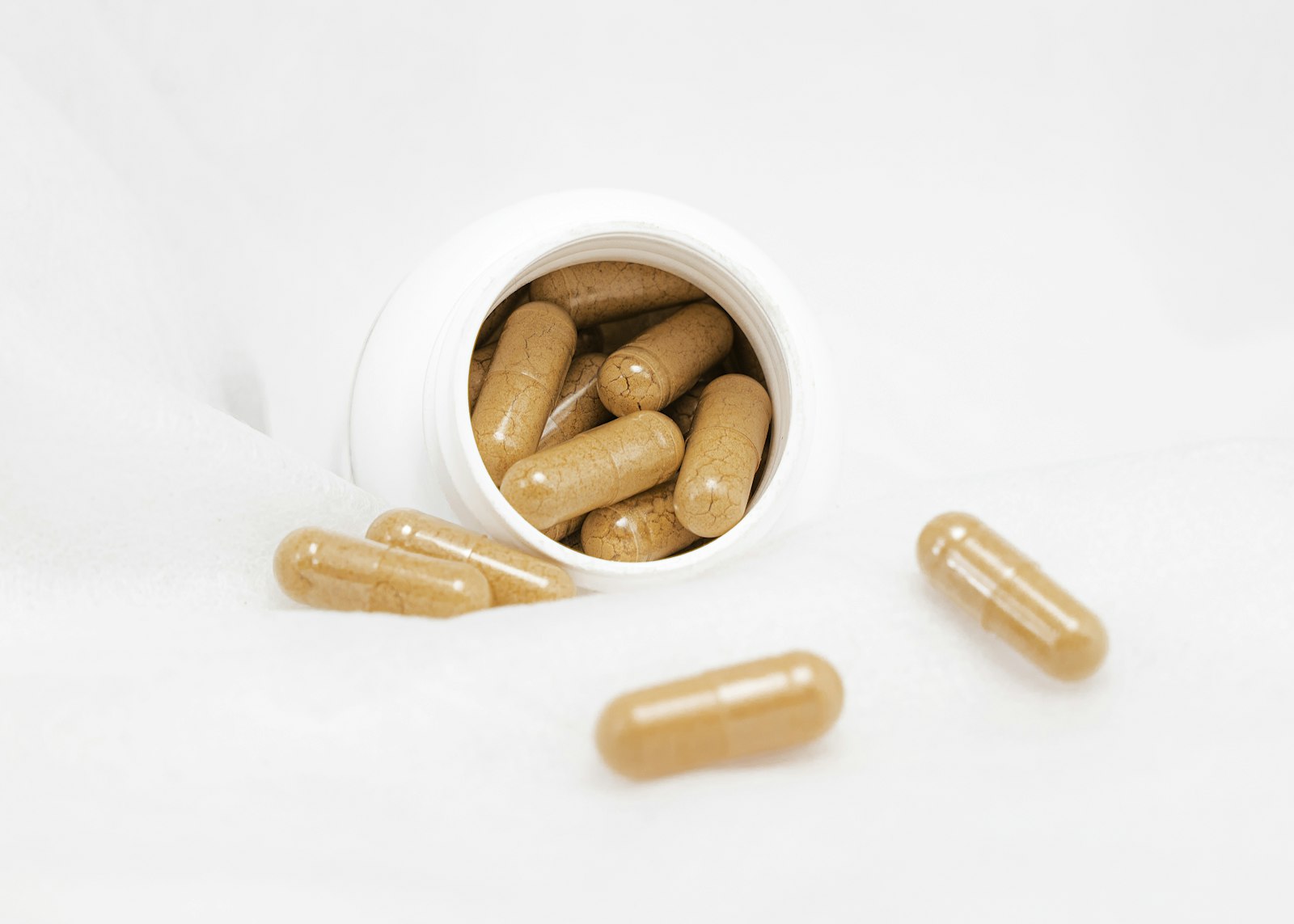
Build the Muscle Reserve That Protects You Later
Look for micronized creatine monohydrate, third-party tested, with no unnecessary additives.
Check Prices on Amazon →Omega-3s (EPA/DHA): Inflammation and Cardiovascular Support
Chronic low-grade inflammation — sometimes called "inflammaging" — is a core driver of age-related disease. Omega-3 fatty acids from fish oil, particularly EPA and DHA, have the strongest observational and interventional data for reducing triglycerides and supporting cardiovascular and cognitive markers over time.
The Omega-3 Index, a blood test measuring EPA/DHA levels in red blood cell membranes, is increasingly used by longevity-focused physicians as a trackable biomarker. Aim for supplements delivering at least 1-2g combined EPA/DHA daily, and consider testing your levels rather than guessing.
Vitamin D3 + K2: The Underrated Duo
Vitamin D deficiency is strongly associated with higher all-cause mortality risk in observational studies, and a large share of adults — especially those in northern latitudes or with limited sun exposure — run low. D3 supports immune regulation, bone density, and possibly muscle function, while K2 helps direct calcium toward bones rather than arterial tissue.
This isn't a compound to megadose blindly. Testing serum 25-hydroxyvitamin D and dosing to a target range (commonly 30-50 ng/mL, though ranges vary by lab and physician) is the evidence-based approach rather than assuming more is better.
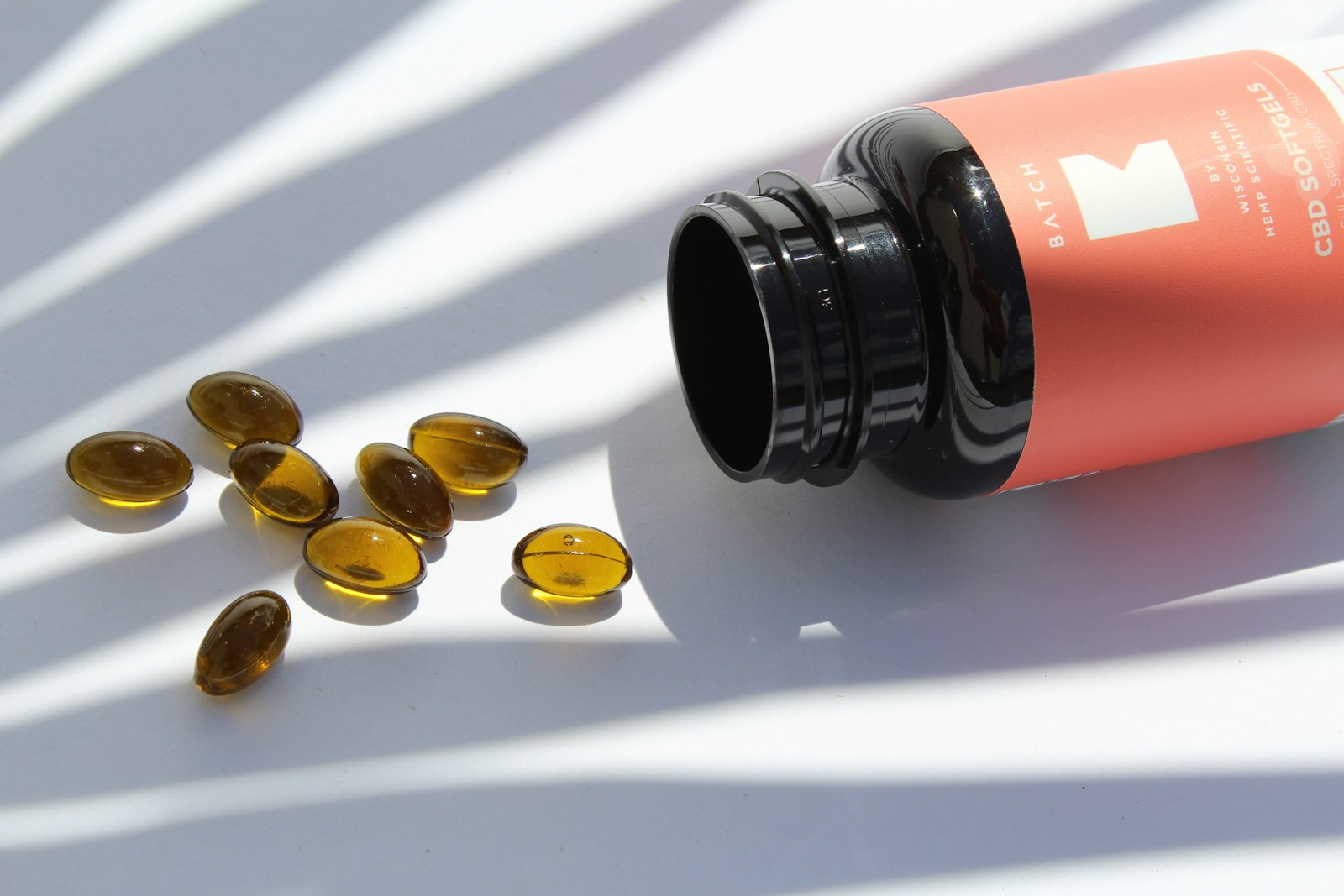
Magnesium: The Cofactor Behind Hundreds of Reactions
Magnesium participates in over 300 enzymatic processes, including those involved in DNA repair, energy metabolism, and blood pressure regulation. Subclinical magnesium insufficiency is common and has been linked to increased cardiovascular and metabolic risk in population studies.
Forms like magnesium glycinate or citrate tend to be better absorbed and gentler on digestion than magnesium oxide, which is common in cheaper formulations.
A Well-Absorbed Form Worth the Small Price Difference
iHerb carries a wide range of third-party-tested magnesium glycinate and citrate formulations at accessible prices.
Shop Magnesium on iHerb →NAD+ Precursors: Promising, But Still Early
NMN and NR (nicotinamide mononucleotide and nicotinamide riboside) are the most talked-about compounds in longevity circles right now, based on the theory that raising NAD+ levels supports mitochondrial and cellular repair function. Early human trials show these compounds do raise blood NAD+ levels reliably.
What's less settled is whether that translates into measurable lifespan or healthspan benefits in humans — most of the dramatic results remain confined to animal models. If you're experimenting here, treat it as a higher-risk, higher-uncertainty addition rather than a foundational one, and prioritize third-party tested products given the relatively unregulated supplement space around these compounds.
| Supplement | Primary Evidence Target | Typical Daily Range |
|---|---|---|
| Creatine Monohydrate | Muscle retention, cognitive resilience | 3-5 g |
| Omega-3 (EPA/DHA) | Inflammation, cardiovascular markers | 1-2 g combined |
| Vitamin D3 + K2 | Immune function, bone/arterial health | 1000-2000 IU D3 (test-guided) |
| Magnesium Glycinate | Metabolic & cardiovascular cofactor support | 200-400 mg |
| NMN / NR | NAD+ elevation (early-stage human data) | 250-500 mg |
Testing Before Stacking
The single biggest mistake in longevity supplementation is guessing instead of measuring. Blood panels for vitamin D, inflammatory markers like hs-CRP, fasting insulin, and lipid particles give you an actual baseline to judge whether a supplement is doing anything for your specific physiology.
At-home lab testing services have made this dramatically more accessible — no need for an in-person appointment to get a panel drawn and reviewed.
Know Your Numbers Before You Spend on Supplements
EmpowerDX offers at-home test kits covering key biomarkers so you can track what's actually changing, not just hope it is.
Explore Testing Options →What to Skip (For Now)
Resveratrol, most "telomere support" blends, and proprietary longevity powders with dozens of underdosed ingredients rarely have evidence proportional to their marketing budgets. If a label lists 20+ ingredients at fractional doses, it's very likely optimized for shelf appeal rather than physiological effect.
A tighter stack of 3-5 well-dosed, evidence-backed compounds will almost always outperform a sprawling proprietary blend — both for your biology and your wallet.
Building Your Stack
Start with the foundational tier: creatine, omega-3s, vitamin D3/K2, and magnesium. These have the deepest evidence base, the best safety profiles, and the lowest cost per benefit. Layer in NAD+ precursors or other emerging compounds only after the fundamentals are covered, and only with realistic expectations about what the current data supports.
Longevity isn't a single pill — it's a compounding set of small, well-evidenced habits. Supplements are a lever, not a shortcut, and they work best alongside resistance training, sleep consistency, and metabolic health basics.
A Foundational Layer for Cardiovascular Longevity
Choose a molecularly distilled, third-party tested fish oil with a clearly labeled EPA/DHA ratio.
Compare Omega-3 Options →From across the network
More from the network on related topics: VitaminSupplyCenter · TestBoostLab · EDHealthLab.